SPECIALIST ORAL SURGEON
LOCATIONS ACROSS LONDON


ORAL BIOPSY
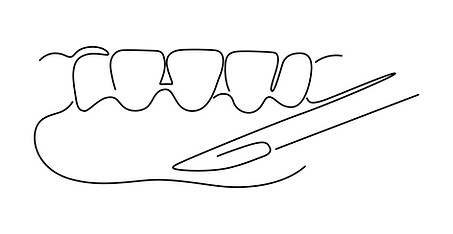
What is an oral soft tissue biopsy?
An oral soft tissue biopsy is a procedure where a small sample of tissue is taken from your mouth for examination under a microscope. It helps diagnose abnormalities, such as persistent sores, lesions, or suspicious growths.
Why do I need a biopsy?
A biopsy is recommended when there are changes in the mouth, such as white or red patches, ulcers that have not healed, or lumps that need further evaluation. It helps us confirm if the tissue is healthy or if additional treatment is needed.
Is the biopsy procedure painful?
The procedure is not painful because we use local anaesthesia to numb the area. You may feel some pressure during the biopsy, but most patients report little to no discomfort.
How long does the biopsy take?
The procedure typically takes 15-30 minutes, depending on the size and location of the area being biopsied. It is a quick, minimally invasive process.
What happens during the biopsy procedure?
After numbing the area, we remove a small sample of tissue using a scalpel or electrocautery machine. The sample is then sent to a laboratory for analysis. If needed, we will place a few dissolvable stitches to aid healing.
What should I expect after the procedure?
-
Mild discomfort or swelling: This is normal and can be managed with over-the-counter pain relievers.
-
Healing time: The area usually heals within 1-2 weeks.
-
Follow-up: We will discuss the biopsy results with you and any further steps, if necessary.
Will I need stitches, and will they need to be removed?
In many cases, we use dissolvable stitches that naturally disappear within 7-10 days. If non-dissolvable stitches are used, we will schedule a follow-up appointment to remove them.
Are there risks associated with a biopsy?
Risks are minimal and may include minor bleeding, infection, or temporary soreness. Following the post-operative care instructions helps minimise these risks.
How should I care for my mouth after a biopsy?
-
Avoid hot or spicy foods for the first 24 hours.
-
Rinse gently with warm salt water starting the day after the procedure.
-
Avoid smoking or drinking alcohol while the area heals.
We’ll provide detailed aftercare instructions tailored to your needs.
How long will it take to get the biopsy results?
Results are usually available within 7-21 days. Once we receive the report, we will contact you to discuss the findings and any necessary next steps.
What if the biopsy shows something abnormal?
If the results indicate an abnormality, we will explain the findings and discuss your treatment options. In some cases, additional tests or procedures may be required.
Is a biopsy always necessary for oral lesions?
Not all lesions require a biopsy. However, if an area looks suspicious or does not resolve on its own, a biopsy is the most reliable way to determine the cause and rule out serious conditions.
14. Can a biopsy detect oral cancer?
Yes, a biopsy is the gold standard for diagnosing oral cancer. It helps us identify precancerous or cancerous cells early, which improves treatment outcomes.
15. What should I do if I feel nervous about the procedure?
Feeling nervous is completely normal. Our team is here to ensure your comfort and answer any questions you have. For particularly anxious patients, sedation options may be available.